Hanna Electrodes and Probes

The electrode is the part that actually measures. A meter only converts a voltage into a number on a screen, which is why a good meter with a tired electrode reads badly and a modest meter with the right electrode reads well. Most pH problems people blame on the instrument are electrode problems.

Ecotao supplies Hanna electrodes across South Africa from Cape Town, including the HALO Bluetooth range that turns a phone or tablet into the meter.

  • pH
  • ORP
  • Dissolved oxygen
  • HALO Bluetooth
  • Food & emulsions
  • Refillable & gel

Why the Electrode Decides the Reading

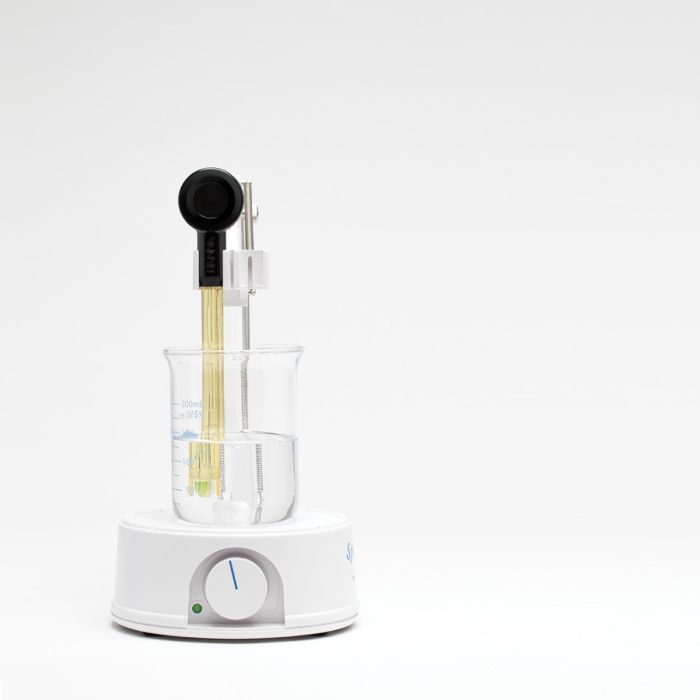
Hanna HALO pH electrode measuring a sample in a beaker on a magnetic stirrer The electrode is the measuring element, not the meter

A pH electrode is a thin glass membrane with a reference cell behind it. The glass develops a tiny voltage proportional to the hydrogen ion activity of whatever it is touching, and the reference cell provides the stable comparison that voltage is measured against. The meter is a very sensitive voltmeter with a temperature correction.

That construction explains almost every pH complaint. A slow reading usually means the glass is coated or the sample is cold. A drifting reading usually means the reference junction is blocked. A reading that will not calibrate usually means the glass has aged, because glass membranes do age whether or not the electrode has been used. An electrode is a consumable with a working life of roughly one to two years, not a permanent fitting.

It also explains why the body and the tip matter. A spherical glass tip is right for water in a beaker and wrong for cheese, meat or a thick emulsion. A conical tip penetrates semi-solids. A plastic body survives a factory floor where glass does not. Matching the electrode to the sample is the single biggest thing you can do to improve your data.

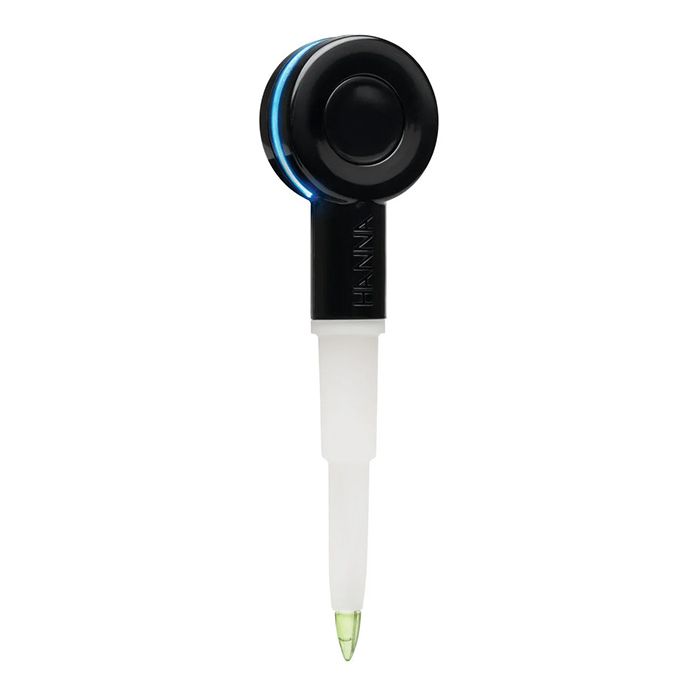
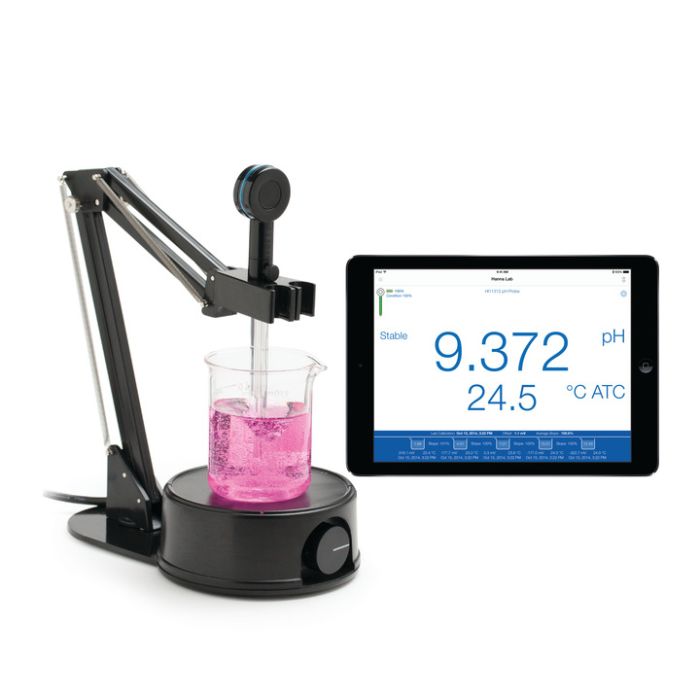
Hanna's HALO electrodes take this a step further by putting the electronics in the electrode and sending the reading to a phone or tablet over Bluetooth. There is no meter to buy, break or share, and the app handles calibration records, logging and export.

1 to 2 yearstypical electrode working life
BluetoothHALO needs no separate meter
Never drystorage solution, not water
Cape Townstock and technical support

Electrodes and Probes We Stock

Hanna makes a very large electrode catalogue. These are the Hanna electrodes and probes Ecotao holds or orders most often. If you need a specific part number for an existing meter, send it to us and we will match it.

Hanna HALO HI10532 Bluetooth conical tip refillable pH electrode with the Hanna Lab App
HI10532

HALO Bluetooth Conical Tip Refillable pH Electrode for Food

Built for the samples that defeat a normal electrode: emulsions, slurries, sauces, semi-solids. The conical glass tip pushes into the product instead of sitting on top of it, and a triple ceramic junction keeps electrolyte flowing so the reference does not block in a fatty sample. Low temperature glass means it still stabilises quickly on something straight out of a chiller.

  • Conical tip for emulsions and semi-solids
  • Triple ceramic junction, refillable
  • Low temperature glass formulation
  • Bluetooth to the Hanna Lab App, no meter needed
  • Up to five point calibration with GLP records

Best for: food production, dairy, sauces, emulsions and anything thick or fatty.
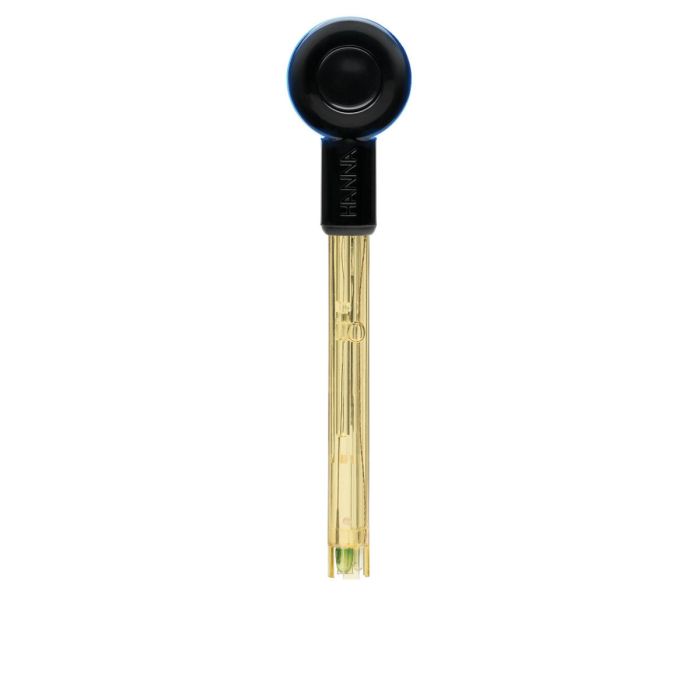
Hanna HALO HI12302 PEI body gel filled Bluetooth pH electrode
HI12302

HALO PEI Body Gel Filled pH Electrode with Bluetooth

The general purpose HALO. A PEI plastic body instead of glass, so it tolerates being knocked about, and a gel filled reference that needs no refilling and no electrolyte to carry around. For routine laboratory and water work this is the one to default to.

  • PEI plastic body, more robust than glass
  • Gel filled reference, maintenance free
  • General purpose pH range
  • Bluetooth to the Hanna Lab App
  • Logging, graphing and CSV export from the app

Best for: laboratories, water treatment, education and general routine pH work.

Hanna HALO PVDF body Foodcare pH electrode with Bluetooth
HALO PVDF

HALO PVDF Body Foodcare pH Electrode with Bluetooth

A PVDF body puts this one in the food plant rather than the laboratory. PVDF resists the fats, acids and cleaning chemicals that attack other bodies, and it takes the knocks that come with working next to a production line. The same Bluetooth app handles calibration records, which matters when the pH reading supports a food safety plan.

  • PVDF body, chemically resistant
  • Designed for food and beverage samples
  • Bluetooth to the Hanna Lab App
  • Calibration reminders and GLP data
  • Results exported as CSV for records

Best for: food and beverage production, HACCP records and plant floor use.

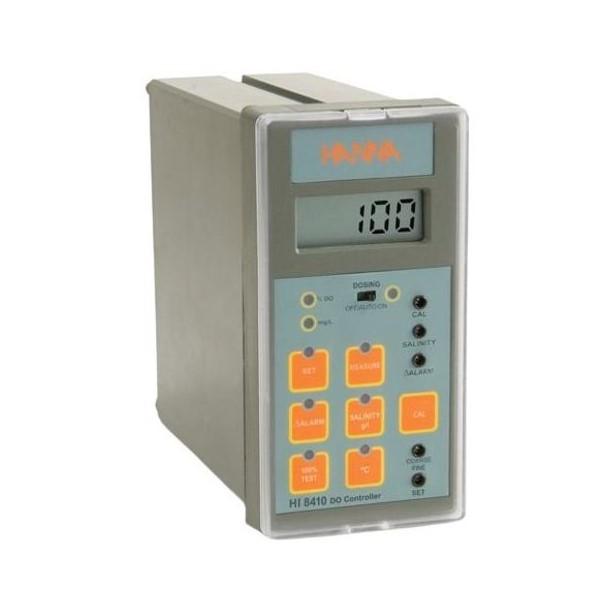
Hanna panel mounted dissolved oxygen controller with galvanic probe kit
DO Controller Kit

Dissolved Oxygen Controller and Electrode Kit

A galvanic dissolved oxygen probe supplied with its controller, for permanent installation rather than spot checks. Mounted on a tank or a line it watches oxygen continuously and can drive an output when the level falls, which is the difference between knowing your aeration failed and having it corrected before stock is lost.

  • Galvanic dissolved oxygen probe
  • Supplied with controller
  • Continuous monitoring, not spot checks
  • Control output for aeration or alarm
  • For panel or wall mounting

Best for: aquaculture tanks, wastewater aeration and any process that must not lose oxygen.

Choosing an Electrode Body and Tip

Most of the decision comes down to what the electrode has to touch and where it has to live. This is the shortest version of it.

If your sample is Body Tip Reference
Clean water in a beakerGlass or PEISphericalGel or refillable
Water in the fieldPEI or PVDFSphericalGel
Emulsions, sauces, dairyAny robust bodyConicalRefillable, open or triple junction
Meat, cheese, semi-solidsPVDF or similarConical, penetratingRefillable
Food plant with harsh cleaningPVDFTo suit sampleRefillable
Low ionic strength or pure waterGlassSphericalRefillable, high flow
Soil slurry or suspensionRobust plasticSpherical, open junctionOpen junction

Where These Electrodes Work

An electrode is chosen by the sample rather than by the industry, but these are the settings our customers buy them for.

๐ŸงชLaboratories
๐Ÿง€Dairy & cheese
๐Ÿ–Meat & processing
๐ŸบBeverage & brewing
๐ŸšฐDrinking water
๐ŸญWastewater
๐ŸŸAquaculture
๐ŸŒฑAgriculture & soil
๐ŸŽ“Education
๐Ÿ”งPlant maintenance

Specifying an Electrode

  1. Describe the sample, not the parameter

    Everyone says they need a pH electrode. What we need to know is what it is going into. Thin and clean, thick and fatty, hot, cold, acidic, abrasive, or barely conductive. That one answer picks the tip and the reference for you.

  2. Check the connector before anything else

    An electrode has to physically connect to your meter. BNC, screw type, DIN and proprietary digital connectors are not interchangeable, and a digital electrode will not work on an analogue input. Send us the meter model and we will confirm the fitting.

  3. Decide refillable or gel

    Gel filled needs no attention and suits field and routine work. Refillable lets you top up the electrolyte and flush the junction, which gives longer life and better performance on difficult samples, in exchange for a small maintenance routine.

  4. Consider skipping the meter entirely

    If you are buying a meter and an electrode together, price a HALO Bluetooth electrode against that pair. The electrode holds the electronics and your phone becomes the display, so there is one item to look after rather than two.

  5. Order storage solution with it

    An electrode stored dry, or in distilled water, is an electrode you will be replacing early. Storage solution is inexpensive and is the single cheapest way to extend electrode life. Buy it at the same time, because nobody remembers to buy it later.

Looking After an Electrode

Never let the glass dry out. Store the electrode in Hanna storage solution with the cap on, not in distilled water and not in air. Distilled water pulls ions out of the reference and shortens the electrode's life, and drying out can end it outright.

Rinse between samples with distilled water and blot, do not wipe. Rubbing the bulb builds a static charge and scratches the glass. If the sample was greasy, oily or protein rich, use the matching Hanna cleaning solution rather than detergent.

Calibrate with fresh buffer, in at least two points that bracket your expected reading. Pour buffer into a clean container and discard it afterwards rather than dipping into the bottle. Buffer contaminated by yesterday's sample will calibrate your meter to the wrong answer and everything downstream will be confidently wrong.

Watch the slope, not just the reading. Most meters report calibration slope as a percentage. A healthy electrode sits near 95 to 100 percent. When the slope drifts below roughly 85 percent, or the response becomes sluggish, the electrode is near the end of its life and no amount of recalibration will fix it. Replace it before it starts quietly costing you data.

A magnetic stirrer with an electrode holder makes calibration and measurement far more repeatable, because it keeps the sample moving and the electrode still. Hanna's compact HI181 mini stirrer with electrode holder is the usual choice and we stock it alongside the electrodes.

Frequently Asked Questions

Plan on one to two years in normal use. The glass membrane ages chemically whether or not you use the electrode, so an unused spare on a shelf is also ageing. Life is shorter in hot, strongly acidic or alkaline, or protein rich samples, and shorter again if the electrode is allowed to dry out. The honest answer is that an electrode is a consumable, and budgeting for replacement is cheaper than discovering mid audit that your readings have been drifting.

Look at the calibration slope your meter reports. Near 95 to 100 percent is healthy. Below about 85 percent, or if the reading takes much longer to settle than it used to, the electrode is worn rather than dirty. Clean it first with the correct Hanna cleaning solution, since coating mimics ageing, then recalibrate. If the slope does not recover, replace it.

No, and this is the most common and most expensive mistake. Distilled water has almost no ions in it, so it draws electrolyte out of the reference cell by diffusion. Use Hanna storage solution with the cap on. If you are caught without storage solution, pH 4 buffer is a better emergency choice than distilled water, and dry storage is the worst of all.

The electronics live in the electrode and your phone or tablet becomes the meter, so there is no separate instrument to buy, calibrate, break or lose. The Hanna Lab App handles calibration reminders, GLP records, graphing, logging and CSV export by email. For anyone who has to produce records it is considerably less work than reading numbers off a screen into a notebook, and the total cost usually compares well with a meter and electrode bought separately.

No. The connector has to match, and digital electrodes need a meter that can talk to them. BNC, screw type, DIN and the various proprietary digital fittings are all different. Send us the model number of your meter and we will confirm which electrodes fit it before you order, rather than after.

Yes, and they are the items customers reorder. Buffers in the standard pH values, storage solution, and cleaning solutions for protein, oil and general deposits. Tell us the electrode and the sample and we will quote the right set, including the HI181 mini stirrer with electrode holder if you want calibration to be repeatable.

Related Pages

Send us your meter model and your sample

Tell us what instrument you are fitting and what the electrode has to measure. We will confirm the connector, match the body and tip to the sample, and quote the storage and calibration solutions to go with it.