
Hanna Instruments South Africa
Hanna Instruments covers water quality measurement end to end, from pocket pH testers to benchtop titrators and inline process controllers. Ecotao supplies the range across South Africa from Cape Town, together with the electrodes, reagents and buffer solutions that keep those instruments reading accurately.
- pH & ORP
- EC, TDS & salinity
- Dissolved oxygen
- Photometry
- Titration
- Reagents & electrodes
About Hanna Instruments
Hanna Instruments builds analytical instrumentation for measuring the chemistry of water and other liquids. The range is unusually broad: the same manufacturer makes the pocket tester a pond keeper uses once a week and the process controller dosing chemicals into a municipal treatment line.
That breadth is the reason to buy the brand as a system rather than as single instruments. Electrodes, reagents, buffers and cleaning solutions are shared across families, so a laboratory running a benchtop meter and a field team running portable meters can standardise on one set of consumables and one calibration routine.
Ecotao supplies and supports the Hanna range across South Africa from Cape Town, including the electrodes, reagents and buffer solutions each instrument depends on. Technical selection advice is available by phone or email before you order.
 Ecotao is a South African supplier of the Hanna Instruments range
Measurement Instruments
The four families that cover most water testing work, arranged roughly by accuracy and by how much of the instrument you carry into the field.
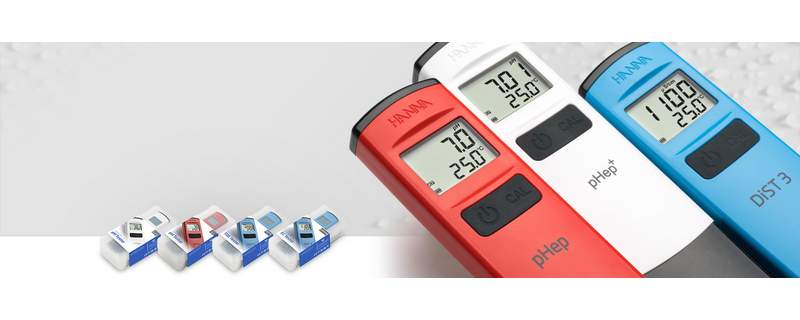
Testers
Sealed pocket instruments with the sensor built into the body. The quickest and cheapest route to a reading, covering pH, ORP, EC, TDS and multiparameter combinations, plus application-specific versions for soil, food and pool water.
- pH and ORP testers
- EC and TDS testers
- Multiparameter testers
- Application-specific models
Best for: routine spot checks where portability and price matter more than a second decimal place.
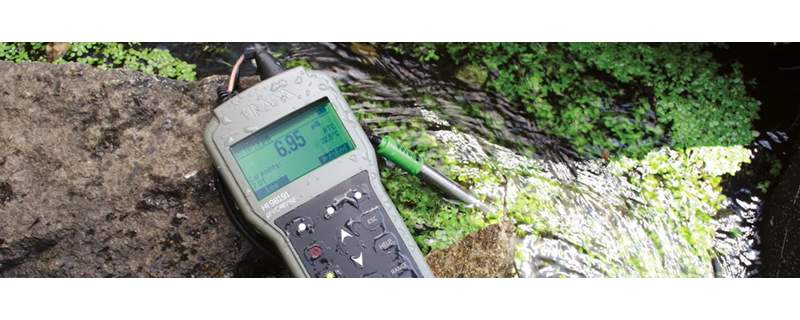
Portable Meters
Handheld meters with replaceable probes on a cable, built for a full day of field work. Higher resolution than a tester, usually waterproof, frequently logging, and often reading several parameters from a single instrument.
- Single and multiparameter models
- Replaceable probes and electrodes
- Waterproof housings for site work
- Logging and data transfer on many models
Best for: field teams, environmental monitoring and anyone recording results away from a bench.
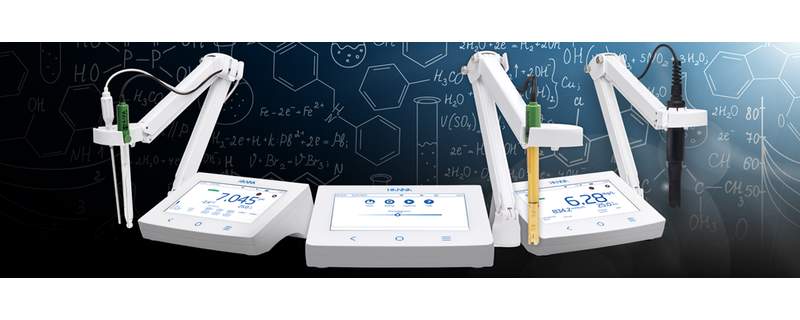
Benchtop Meters
Laboratory instruments that trade portability for accuracy, a large display, mains power and proper electrode holders. The right choice when results are reported, audited or compared across time.
- Highest resolution and accuracy in the range
- Multi-point calibration
- Electrode holders and stirrer integration
- Data output to computer or printer
Best for: laboratories, quality control and any result that has to stand up to scrutiny.

Titrators
Automatic titration systems that dose a reagent until an endpoint is reached and calculate the result for you. They remove the operator judgement that makes manual titration hard to reproduce between staff members.
- Automatic endpoint detection
- Acidity, alkalinity and hardness methods
- Repeatable results between operators
- Mini titrators for single parameters
Best for: laboratories running the same wet-chemistry method often enough that consistency matters.
Analysis & Specialist Instruments
Instruments that measure a specific property rather than general water chemistry: colour-based chemical analysis, dissolved solids by refraction, clarity, temperature and manual chemical testing.
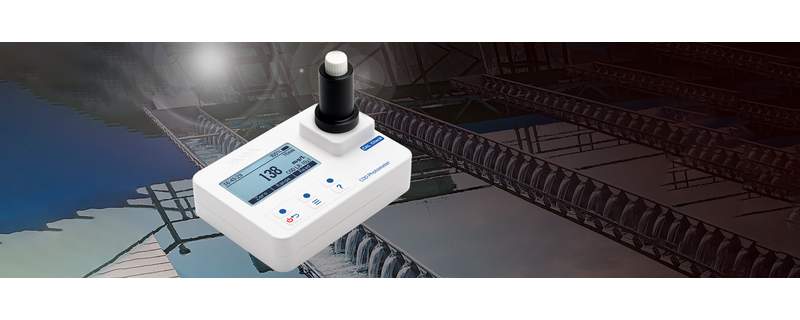
Photometers
Colorimetric analysers that add a reagent to a sample and measure the colour that develops, converting it to a concentration. This is how ammonia, nitrite, phosphate, chlorine, iron and dozens of other species are measured without a full laboratory.
- Multiparameter bench and portable photometers
- Checker HC single-parameter colorimeters
- Application kits for aquaculture, pools and boilers
- Numeric results instead of colour matching by eye
Best for: chemical parameters that a pH or EC meter cannot read at all.
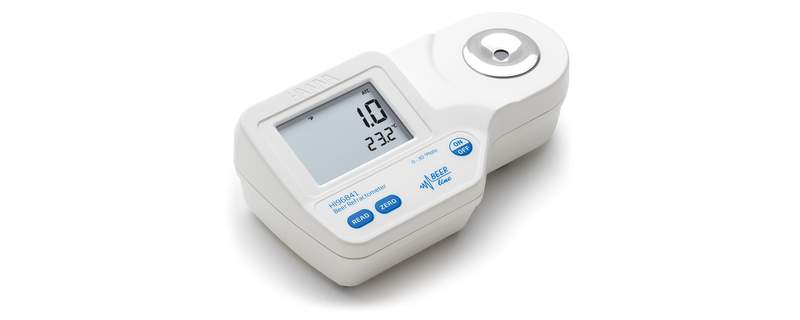
Refractometers
Digital refractometers measure how much light bends passing through a sample, which correlates to dissolved solids. A few drops give a reading in seconds, with none of the parallax error of squinting down an optical scale.
- Brix and sugar content
- Seawater salinity and specific gravity
- Automatic temperature compensation
- Sample volumes of a few drops
Best for: food and beverage QC, marine aquaria and aquaculture salinity checks.


Turbidimeters
Turbidity meters measure how much light a water sample scatters, reporting cloudiness in NTU or FNU. Turbidity is a regulated parameter in drinking water and a fast proxy for filtration performance in treatment and aquaculture systems.
- Portable and benchtop models
- Readings in NTU or FNU
- ISO and EPA compliant methods
- Calibration standards available
Best for: drinking water compliance and checking whether a filter is actually working.
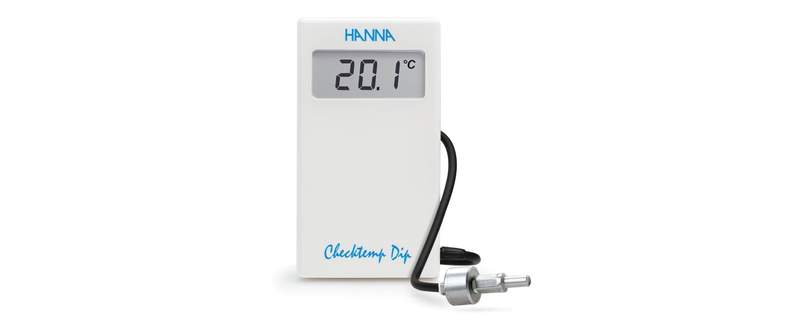
Thermometers
Digital thermometers and probes for water, food and process temperature. Temperature is worth measuring properly in its own right, and it also underpins the accuracy of nearly every other reading you take.
- Folding, pocket and probe thermometers
- Penetration probes for food safety
- Infrared and contact models
- Calibration-checkable units
Best for: HACCP food safety records and verifying the temperature behind your other readings.

Chemical Test Kits
Manual test kits using titration or colour comparison, with no electronics to calibrate, charge or damage. They remain the most robust option for remote sites and the cheapest way to add an occasional parameter.
- Titration and colour-comparison methods
- No power or calibration required
- Refill reagents sold separately
- Multi-parameter water quality kits
Best for: remote sites, backup testing and parameters you only check occasionally.

Magnetic Stirrers
Laboratory stirrers that keep a sample homogeneous while it is measured or titrated. An unstirred sample stratifies, and the electrode then reads whatever happens to be touching it rather than the sample as a whole.
- Compact mini stirrers and full bench models
- Integrated electrode holders
- Variable speed control
- Chemically resistant surfaces
Best for: titration work and any bench measurement where consistency between samples matters.
Continuous Monitoring & Process Control
Where a handheld reading is not enough and the water needs watching continuously, or correcting automatically.
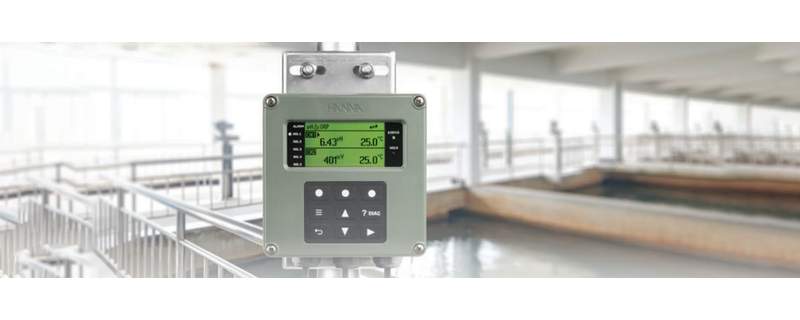
Monitors & Dataloggers
Instruments that record unattended, building a continuous picture instead of a snapshot. A logger catches the overnight oxygen crash or the pH swing after a dosing event that a daily spot check would never see.
- Continuous unattended logging
- Multi-parameter monitoring stations
- Alarm thresholds on key parameters
- Data download for trend analysis
Best for: catching the events that happen between visits, especially overnight.
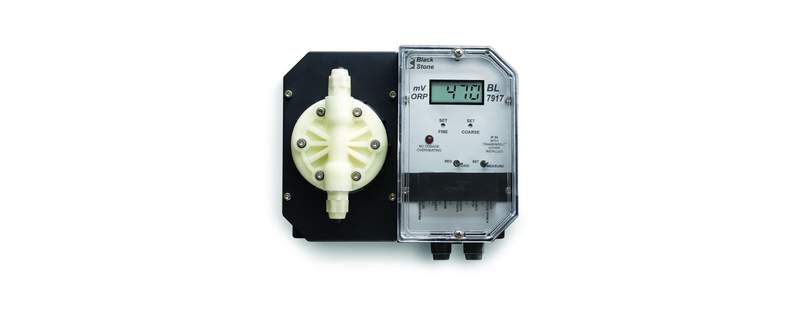
Process Control
Wall and panel mounted controllers that measure a parameter inline and act on it, switching a dosing pump or valve to hold a setpoint. This is the step from knowing what the water is doing to controlling it.
- Wall and panel mount controllers
- Inline pH, ORP, EC and chlorine control
- Dosing pump integration
- Alarm and relay outputs
Best for: treatment plants, recirculating aquaculture and industrial process water.
Electrodes, Reagents & Consumables
The part of the range that gets ordered again and again. Electrodes wear out, reagents expire and buffers go off once opened, so these decide whether the instrument you bought still reads accurately in a year.
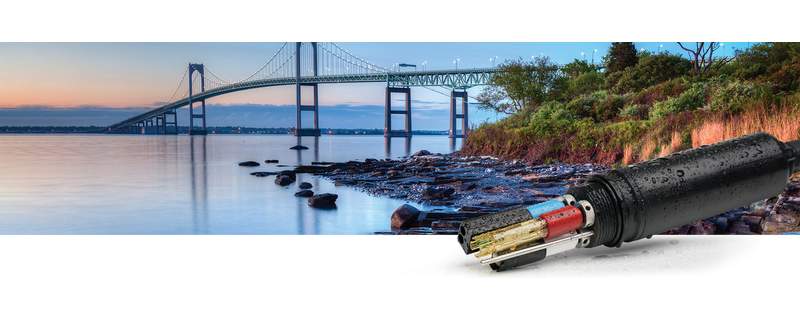
Electrodes & Probes
Replacement and specialist electrodes for pH, ORP, conductivity, dissolved oxygen and ion-selective measurement, including body materials and tip shapes matched to difficult samples such as soil, food, emulsions and low-ionic-strength water.
- pH, ORP, EC, DO and ISE electrodes
- Glass, PVDF and other body materials
- Conical, flat and penetration tips
- Refillable and gel-filled references
Best for: replacing a tiring electrode, or matching a probe to an awkward sample.
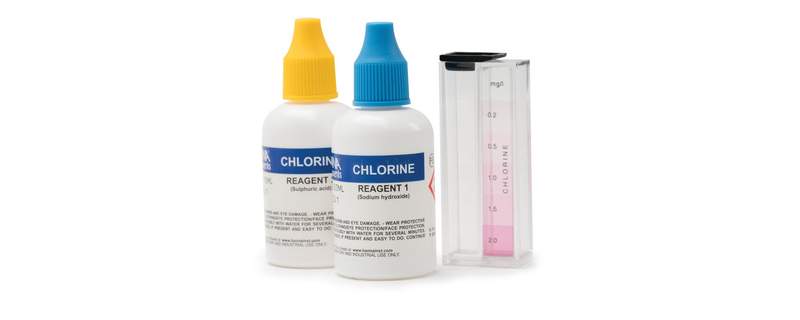
Reagents
Pre-measured reagents for photometers, Checker HC colorimeters and chemical test kits, supplied in sachets, liquid form or ready-to-use cuvettes. Pre-measured dosing is what makes colorimetric results repeatable between operators.
- Sachet, liquid and cuvette formats
- Matched to specific instrument models
- Typically sold in 25 or 100 test packs
- Expiry dated, so order to usage
Best for: keeping a photometer or Checker HC in service once the starter reagents run out.
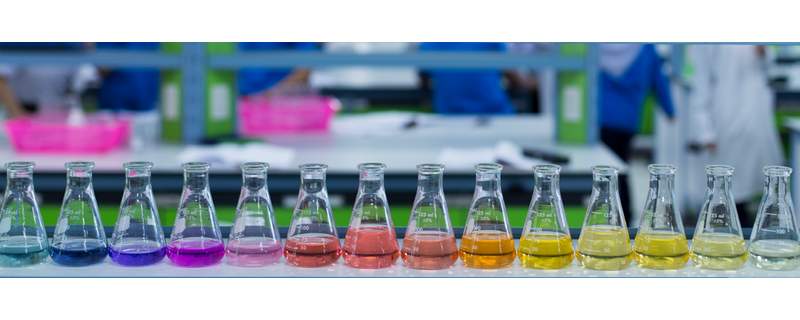
Solutions
Calibration buffers, conductivity standards, electrode storage solution and cleaning solutions for specific fouling types. Calibrating against a tired buffer produces a confidently wrong reading, which is worse than no reading at all.
- pH buffer solutions and sachets
- Conductivity and TDS standards
- Electrode storage solution
- Cleaners for protein, oil and inorganic deposits
Best for: the routine that keeps every other number on this page trustworthy.
Accessories
Cuvettes, electrode holders, carry cases, cables, beakers and the replaceable parts that go missing or break first. Small items, but a cracked cuvette or a missing cable takes an instrument out of service just as effectively as a failed sensor.
- Cuvettes and sample cups
- Electrode holders and stands
- Carry cases and field kits
- Cables, connectors and spares
Best for: replacing the small parts that strand an otherwise working instrument.
Instrument Type Comparison
How the main measurement families differ on the points that usually decide the purchase.
| Instrument Type | Typical Use | Accuracy | Portability | Replaceable Sensor | Consumables |
|---|---|---|---|---|---|
| Testers | Spot checks, single parameter | Indicative to good | Some models | Buffers | |
| Portable Meters | Field work, multiple parameters | Good to high | Handheld with probe | Yes | Buffers, electrodes |
| Benchtop Meters | Laboratory, reportable results | Highest | Bench only | Yes | Buffers, electrodes |
| Photometers | Chemical species by colour | High for target parameter | Portable and bench | Not applicable | Reagents, cuvettes |
| Titrators | Wet chemistry methods | Highest for titratable parameters | Bench only | Yes | Titrants, electrodes |
| Chemical Test Kits | Occasional or remote testing | Indicative | Fully portable | Not applicable | Reagent refills |
| Process Control | Continuous inline control | High, continuous | Fixed installation | Yes | Electrodes, standards |
Industries We Supply
Any operation that tests water has a use for part of this range.
How to Choose a Hanna Instrument
Five questions that narrow sixteen categories down to a shortlist.
-
Which parameters do you actually need?
Physical parameters such as pH, ORP, EC, TDS, salinity, dissolved oxygen and temperature are read by a meter with an electrode. Chemical species such as ammonia, nitrite, phosphate, chlorine and iron need a photometer, a Checker HC or a chemical test kit. Most operations need one of each kind, not one instrument.
-
Where will you be standing when you take the reading?
At a bench, choose benchtop for the accuracy. Walking a site, choose portable and check the housing is rated for the conditions. Checking quickly between tanks or beds, a pocket tester is the one that will actually get used.
-
Does anyone else rely on the number?
If results go into a compliance report, a customer specification or a dispute, you need higher resolution, multi-point calibration and ideally logging. If the number only guides your own next action, an indicative reading is often enough.
-
How often will you measure?
Daily or hourly measurement justifies an instrument with cheap consumables, or a logger that removes the labour entirely. Monthly measurement rarely justifies a photometer when a test kit does the same job for a fraction of the cost.
-
What will it cost to keep running?
Factor in reagents, buffers and electrode replacement before comparing instrument prices. A cheaper photometer with expensive reagents can cost more across three years than a dearer one, and electrodes are a recurring cost on every meter in the range.
Frequently Asked Questions
Hanna Instruments manufactures analytical instrumentation for measuring the chemistry of water and other liquids. The range runs from pocket testers that read a single parameter through to benchtop titrators and process controllers wired into a plant. Common parameters include pH, ORP, conductivity, TDS, salinity, dissolved oxygen, turbidity, temperature and dozens of chemical species measured colorimetrically, such as ammonia, chlorine, phosphate, iron and calcium hardness. Ecotao supplies the range in South Africa alongside the reagents, electrodes and solutions the instruments consume.
A tester is a sealed pocket instrument with the sensor built into the body. It is the cheapest route to a reading and suits spot checks where a tenth of a pH unit is enough. A portable meter separates the meter from a replaceable probe, adds higher resolution, logging and often several parameters at once, and is built for a working day in the field. A benchtop meter trades portability for the best accuracy, a large display, mains power, electrode holders and data output to a computer, which is what laboratory work and reportable results call for.
A Checker HC is a handheld colorimeter that sits between a chemical test kit and a full photometer. You add a reagent to a water sample in a small cuvette, the colour develops, and the instrument reads the intensity and reports a concentration figure rather than asking you to match a colour chart by eye. Each Checker HC measures one parameter, such as ammonia, calcium hardness or phosphate, which keeps the cost low. They are widely used in aquaculture, aquariums and pool work where one or two parameters are monitored often.
Calibrate against fresh buffers at the start of each day of use, and more often when measuring at temperature extremes, in dirty samples, or where results are reportable. Use at least two buffers that bracket the pH you expect to read. Electrodes are consumable items that respond more slowly as they age, so budget for replacement rather than treating a drifting reading as a meter fault. Many Hanna meters carry an electrode condition indicator that flags a probe nearing the end of its working life.
Aquaculture usually needs dissolved oxygen, pH, temperature, ammonia and nitrite as a minimum. A multiparameter portable meter covers the physical parameters in one instrument, and a dedicated aquaculture photometer or a set of Checker HC colorimeters covers the chemical ones. Ammonia in particular is worth measuring with an instrument rather than a colour chart, because the toxic fraction rises sharply with pH and temperature and small differences matter.
Yes. Reagents, buffer and cleaning solutions, replacement electrodes and probes, cuvettes and spares are stocked or ordered alongside the instruments. Reagents carry expiry dates and electrodes have a limited working life, so these are repeat purchases rather than once-off items. Ecotao is based in Plattekloof, Cape Town and ships nationally.
Related Pages
Not sure which Hanna instrument you need?
Tell us the parameters you need to measure, where you will be measuring and whether the results are reportable. We will shortlist the right instruments and quote on the reagents, electrodes and solutions to go with them.